
Summary
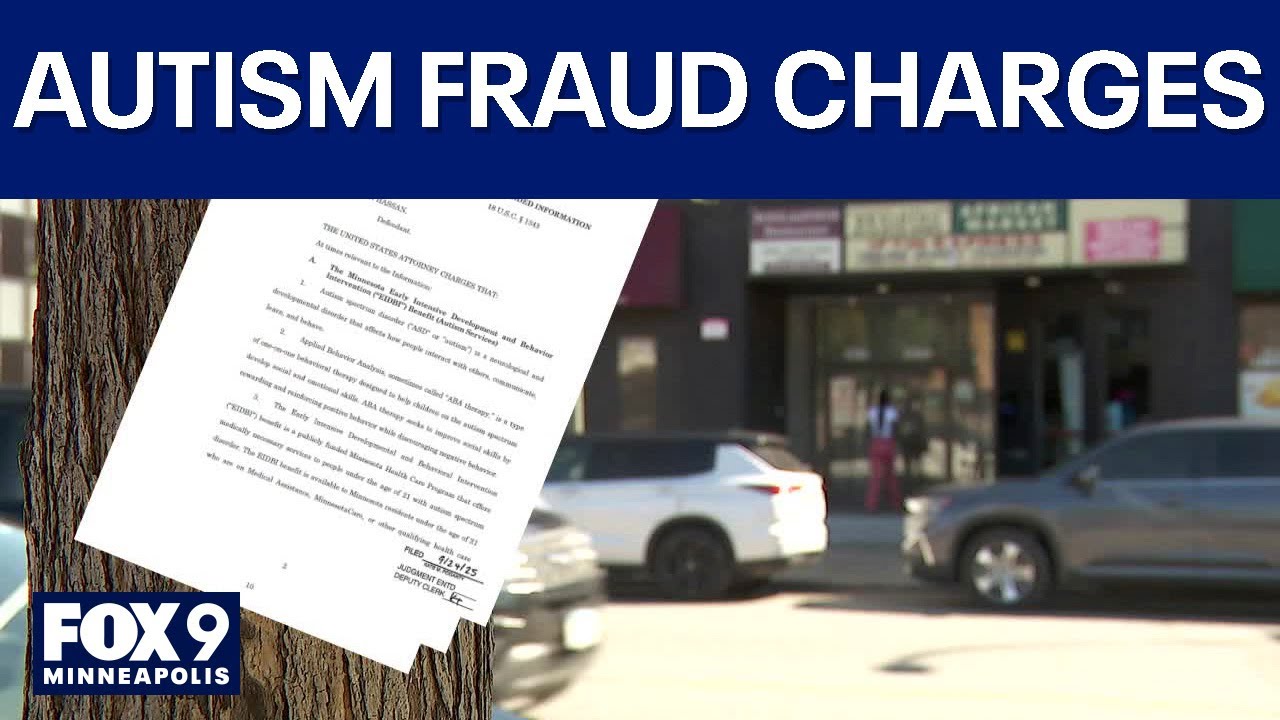
Two autism therapy providers in Minnesota have been charged with **$46 million** in Medicaid fraud, according to the **Justice Department**. The clinics allegedly engaged in practices involving **fake diagnoses** and **kickbacks** to parents to enroll children in unnecessary treatments. This case not only highlights potential abuses within the healthcare system but also underscores the vulnerabilities in Medicaid oversight that allow such fraud to occur. As the investigation unfolds, the implications for families relying on these services could be profound.
Key Takeaways
- Two Minnesota clinics face serious fraud charges totaling $46 million.
- The Justice Department alleges fake diagnoses and kickbacks were involved.
- The case highlights potential systemic issues within Medicaid oversight.
- Families relying on these services may face disruptions in care.
- The outcome could lead to significant reforms in autism treatment practices.
Balanced Perspective
The allegations against the Minnesota clinics are serious, with the **Justice Department** claiming they manipulated diagnoses and offered kickbacks. While the charges indicate a systemic issue, the outcome remains uncertain as the legal process unfolds. It's crucial to differentiate between allegations and proven wrongdoing, as the clinics have yet to respond formally to the charges.
Optimistic View
This case could lead to significant reforms in how **Medicaid** oversees autism treatment providers, potentially improving accountability and transparency. If the fraud is proven, it may prompt stricter regulations that protect vulnerable families from exploitation. Moreover, the increased scrutiny could encourage ethical practices among providers, fostering a healthier environment for children with autism and their families.
Critical View
The implications of this fraud case are troubling, as it reveals deep flaws in the **Medicaid** system that could undermine trust in autism treatment providers. If proven guilty, these clinics may not be isolated cases, suggesting a broader pattern of exploitation in the sector. Families could face disruptions in care, and the stigma surrounding autism treatment may worsen as a result of these allegations.
Source
Originally reported by The New York Times