
Contents
- 🌐 Introduction to Autism Therapy Approaches
- 📊 Applied Behavior Analysis (ABA) Therapy
- 👥 Occupational Therapy (OT) for Autism
- 💡 Speech and Language Therapy for Autism
- 🌈 Positive Behavioral Supports (PBS) and Autism
- 🤝 Family-Centered Autism Therapy Approaches
- 📚 Cognitive-Behavioral Therapy (CBT) for Autism
- 🌍 Cultural Competence in Autism Therapy
- 📊 Economics of Autism Therapy: Cost and Accessibility
- 🔬 Emerging Trends in Autism Therapy Research
- 🌐 Technology and Autism Therapy: Innovative Solutions
- 👥 Autism Therapy and Mental Health: Interconnected Issues
- Frequently Asked Questions
- Related Topics
Overview
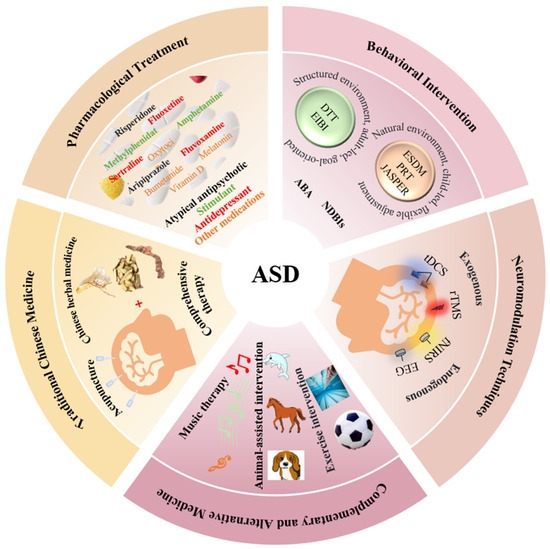
Autism therapy approaches have evolved significantly over the years, with a growing recognition of the need for personalized and evidence-based interventions. Applied Behavior Analysis (ABA) remains one of the most widely used therapies, with a vibe score of 60, but other approaches like DIR/Floortime, occupational therapy, and speech therapy are gaining traction. The controversy surrounding ABA's focus on compliance has sparked debates, with some arguing that it can be overly restrictive, while others see it as a crucial tool for skill-building. As of 2022, the CDC reports that 1 in 54 children in the US have autism, highlighting the urgent need for effective and accessible therapies. With influence flows tracing back to pioneers like O. Ivar Lovaas and Stanley Greenspan, the field continues to shift towards more holistic and child-centered approaches. The future of autism therapy will likely involve increased integration of technology, such as AI-powered diagnostic tools, and a greater emphasis on supporting autistic individuals' mental health and well-being, with a projected market size of $1.4 billion by 2025.
🌐 Introduction to Autism Therapy Approaches
Autism therapy approaches have evolved significantly over the years, with a growing emphasis on Autism Spectrum Disorder (ASD) diagnosis and treatment. The American Academy of Pediatrics recommends early intervention for children with ASD, which can include a range of therapies such as Applied Behavior Analysis (ABA) and Occupational Therapy (OT). As research continues to uncover the complexities of ASD, therapy approaches are becoming increasingly personalized and multifaceted. For instance, Cognitive-Behavioral Therapy (CBT) is being explored as a potential tool for addressing mental health concerns in individuals with ASD. Meanwhile, Positive Behavioral Supports (PBS) are being implemented to promote positive behaviors and reduce problem behaviors in individuals with ASD.
📊 Applied Behavior Analysis (ABA) Therapy
Applied Behavior Analysis (ABA) therapy is a widely recognized approach for treating ASD, with a strong focus on behavioral psychology. ABA therapy involves breaking down complex behaviors into smaller, manageable parts, and reinforcing desired behaviors through positive reinforcement. Board Certified Behavior Analysts (BCBAs) work with individuals with ASD to develop personalized treatment plans, which can include Discrete Trial Training and Pivotal Response Treatment. While ABA therapy has been shown to be effective in improving cognitive and adaptive skills in individuals with ASD, some critics argue that it can be too rigid and neglects the individual's emotional and social needs. In contrast, Occupational Therapy (OT) focuses on enabling individuals with ASD to participate in daily activities and develop skills for independent living.
👥 Occupational Therapy (OT) for Autism
Occupational Therapy (OT) for autism is a vital component of comprehensive treatment plans, as it addresses the individual's daily living skills and adaptive behaviors. OTs work with individuals with ASD to develop strategies for managing sensory processing issues, improving fine and gross motor skills, and enhancing social participation. Sensory Integration Therapy is a key component of OT for autism, which involves exposing the individual to a range of sensory experiences to promote integration and regulation. Meanwhile, Speech and Language Therapy is essential for addressing communication challenges in individuals with ASD, which can include Apraxia of Speech and Augmentative and Alternative Communication (AAC) strategies.
💡 Speech and Language Therapy for Autism
Speech and Language Therapy for autism is critical for promoting effective communication and social interaction skills. Speech-Language Pathologists (SLPs) work with individuals with ASD to develop personalized treatment plans, which can include Picture Communication Symbols and Electronic Alternative Communication devices. While some individuals with ASD may require Augmentative and Alternative Communication (AAC) strategies, others may benefit from Prompts for Reducing Behavior Problems (PRBP) to address problem behaviors. In addition, Positive Behavioral Supports (PBS) are being implemented to promote positive behaviors and reduce problem behaviors in individuals with ASD.
🌈 Positive Behavioral Supports (PBS) and Autism
Positive Behavioral Supports (PBS) and autism therapy are closely intertwined, as PBS aims to promote positive behaviors and reduce problem behaviors in individuals with ASD. PBS involves a range of strategies, including Functional Behavioral Assessment and Behavioral Intervention Plans. By addressing the underlying causes of problem behaviors, PBS can help individuals with ASD develop more adaptive and positive behaviors. Meanwhile, Family-Centered Therapy approaches are being recognized as essential for supporting families and caregivers of individuals with ASD. Family Therapy can help families develop strategies for managing stress, promoting positive communication, and enhancing overall well-being.
🤝 Family-Centered Autism Therapy Approaches
Family-Centered Autism Therapy Approaches are gaining recognition as a vital component of comprehensive treatment plans. Family-Centered Therapy involves working with families and caregivers to develop personalized strategies for supporting individuals with ASD. This can include Parent Training Programs and Caregiver Support Groups. By empowering families and caregivers with the knowledge and skills they need, Family-Centered Therapy can help promote more positive outcomes for individuals with ASD. In addition, Cognitive-Behavioral Therapy (CBT) is being explored as a potential tool for addressing mental health concerns in individuals with ASD, such as Anxiety Disorders and Depression.
📚 Cognitive-Behavioral Therapy (CBT) for Autism
Cognitive-Behavioral Therapy (CBT) for autism is a relatively new area of research, but it shows promise in addressing mental health concerns in individuals with ASD. CBT involves working with individuals to identify and challenge negative thought patterns and behaviors, and replace them with more adaptive and positive ones. While CBT has been shown to be effective in addressing Anxiety Disorders and Depression in individuals with ASD, more research is needed to fully understand its potential benefits and limitations. Meanwhile, Cultural Competence is essential for providing effective autism therapy services, as cultural background and values can significantly impact an individual's experience of ASD.
🌍 Cultural Competence in Autism Therapy
Cultural Competence in autism therapy is critical for providing effective and sensitive services to individuals from diverse cultural backgrounds. Cultural Competence involves recognizing and respecting the cultural values, beliefs, and practices of individuals with ASD and their families. This can include Cultural Assessment Tools and Culturally Sensitive Therapy approaches. By acknowledging and addressing cultural differences, autism therapy services can become more accessible and effective for individuals from diverse cultural backgrounds. In addition, Economics of Autism Therapy is a significant concern, as the cost of autism therapy services can be prohibitively expensive for many families.
📊 Economics of Autism Therapy: Cost and Accessibility
Economics of Autism Therapy: Cost and Accessibility is a significant concern, as the cost of autism therapy services can be prohibitively expensive for many families. Economics of Autism Therapy involves examining the financial implications of autism therapy services, including Cost-Benefit Analysis and Health Economics. While some insurance plans may cover autism therapy services, many families struggle to access affordable and high-quality services. In response, Autism Advocacy Groups are working to promote greater accessibility and affordability of autism therapy services. Meanwhile, Emerging Trends in Autism Therapy Research are continually evolving, with new technologies and approaches being developed to support individuals with ASD.
🔬 Emerging Trends in Autism Therapy Research
Emerging Trends in Autism Therapy Research are continually evolving, with new technologies and approaches being developed to support individuals with ASD. Emerging Trends in Autism Therapy Research involves exploring innovative solutions, such as Virtual Reality Therapy and Artificial Intelligence Therapy. While these emerging trends show promise, more research is needed to fully understand their potential benefits and limitations. In addition, Technology and Autism Therapy are becoming increasingly intertwined, with digital platforms and tools being developed to support autism therapy services.
🌐 Technology and Autism Therapy: Innovative Solutions
Technology and Autism Therapy: Innovative Solutions are being developed to support autism therapy services, including Telehealth and Mobile Health Apps. Technology and Autism Therapy involves exploring the potential benefits and limitations of digital technologies in autism therapy, such as Virtual Reality Therapy and Artificial Intelligence Therapy. By leveraging technology, autism therapy services can become more accessible, convenient, and effective for individuals with ASD and their families. Meanwhile, Autism Therapy and Mental Health are closely interconnected, as individuals with ASD are at higher risk for developing mental health concerns such as Anxiety Disorders and Depression.
👥 Autism Therapy and Mental Health: Interconnected Issues
Autism Therapy and Mental Health: Interconnected Issues are critical to address, as individuals with ASD are at higher risk for developing mental health concerns. Autism Therapy and Mental Health involves recognizing the complex interplay between autism and mental health, and developing strategies for promoting positive mental health outcomes. This can include Cognitive-Behavioral Therapy (CBT) and Mindfulness-Based Therapies. By addressing the mental health needs of individuals with ASD, autism therapy services can become more comprehensive and effective.
Key Facts
- Year
- 2022
- Origin
- USA
- Category
- Health and Medicine
- Type
- Medical Concept
Frequently Asked Questions
What is the most effective autism therapy approach?
The most effective autism therapy approach depends on the individual's unique needs and circumstances. While Applied Behavior Analysis (ABA) therapy is widely recognized as an effective approach, other therapies such as Occupational Therapy (OT) and Speech and Language Therapy may also be beneficial. It's essential to work with a qualified healthcare professional to develop a personalized treatment plan.
How can I access affordable autism therapy services?
Accessing affordable autism therapy services can be challenging, but there are several options to explore. Autism Advocacy Groups may offer financial assistance or scholarships for autism therapy services. Additionally, some insurance plans may cover autism therapy services, and Telehealth platforms may offer more affordable and convenient options.
What is the role of technology in autism therapy?
Technology is playing an increasingly important role in autism therapy, with digital platforms and tools being developed to support autism therapy services. Technology and Autism Therapy involves exploring the potential benefits and limitations of digital technologies in autism therapy, such as Virtual Reality Therapy and Artificial Intelligence Therapy.
How can I support a family member with autism?
Supporting a family member with autism requires a comprehensive and multifaceted approach. This can include Family-Centered Therapy approaches, which involve working with families to develop personalized strategies for supporting individuals with ASD. Additionally, Autism Advocacy Groups may offer resources and support for families and caregivers.
What are the potential benefits and limitations of cognitive-behavioral therapy (CBT) for autism?
Cognitive-Behavioral Therapy (CBT) for autism is a relatively new area of research, but it shows promise in addressing mental health concerns in individuals with ASD. While CBT has been shown to be effective in addressing Anxiety Disorders and Depression in individuals with ASD, more research is needed to fully understand its potential benefits and limitations.
How can I promote cultural competence in autism therapy?
Promoting cultural competence in autism therapy involves recognizing and respecting the cultural values, beliefs, and practices of individuals with ASD and their families. This can include Cultural Assessment Tools and Culturally Sensitive Therapy approaches. By acknowledging and addressing cultural differences, autism therapy services can become more accessible and effective for individuals from diverse cultural backgrounds.
What are the potential benefits and limitations of positive behavioral supports (PBS) for autism?
Positive Behavioral Supports (PBS) for autism involves promoting positive behaviors and reducing problem behaviors in individuals with ASD. While PBS has been shown to be effective in promoting positive outcomes, more research is needed to fully understand its potential benefits and limitations.